

Bulk Krill Oil Supplier: Private Label and Contract Manufacturing
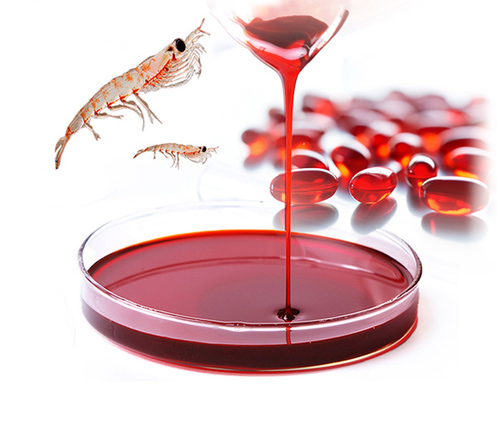
Bulk krill oil can give your supplement line a premium marine ingredient story without forcing you to manage separate sourcing, encapsulation, and packaging partners. Our bulk krill oil program supports Antarctic-sourced oil, finished softgels, and retail-ready private label products.
Krill oil contains phospholipid-bound EPA and DHA, along with naturally occurring astaxanthin. We help supplement brands, procurement teams, formulators, and contract manufacturers move from ingredient specifications to production with low MOQs where available, in-house quality control, batch testing, and packaging coordination.
Request a quote, current specification sheet, or sample to confirm the right format for your project.
Key Takeaways
- Antarctic krill oil comes from Euphausia superba, a shrimp-like marine crustacean.
- Product decisions should be based on the current specification sheet and batch-specific certificate of analysis.
- We can supply bulk oil, encapsulated softgels, or fully packaged private label krill oil products.
- Shellfish allergen labeling, target EPA and DHA delivery, capsule size, and packaging all affect the finished formula.
- Current MOQ, pricing, lead time, and available documentation should be confirmed before production.
What to Look for on a Bulk Krill Oil Supplier Page
A qualified krill oil supplier should make the technical and commercial details easy to review. Before selecting a partner, confirm the species, source region, oil format, phospholipid content, EPA and DHA concentration, natural astaxanthin level, testing records, allergen status, and available manufacturing services. Krill oil for supplements should be identified as Antarctic-sourced Euphausia superba. It should not be presented as part of an Icelandic-origin ingredient story. The FDA’s krill oil ingredient report identifies Antarctic krill as Euphausia superba, a shrimp-like marine crustacean. Use this short comparison list when reviewing wholesale krill oil options.| Buying Point | What to Confirm |
| Species and source | Antarctic Euphausia superba |
| Ingredient format | Bulk liquid oil, softgels, or finished packaged product |
| Active profile | Current phospholipid, EPA, DHA, and astaxanthin data |
| Quality records | COA, contaminant testing, microbiological results, and lot records |
| Manufacturing scope | Encapsulation, bottling, blister packs, pouches, and label support |
| Commercial terms | MOQ, sample availability, pricing, production timing, and shipping format |
Antarctic Krill Oil With Phospholipid-Bound Omega-3s
Krill oil is a marine oil extracted from Antarctic krill. Its EPA and DHA omega-3 fatty acids are associated with phospholipids, which is a defining formulation and labeling characteristic. The source species matters because it affects ingredient identity, technical documentation, and finished-product descriptions. Current product data should guide your supplement facts panel, serving size, and label language. We recommend reviewing the latest COA and technical sheet before approving a formula or printing packaging.Naturally Occurring Astaxanthin for Formulators
Astaxanthin occurs naturally in krill oil and contributes to the ingredient’s characteristic red-orange color. However, krill oil astaxanthin content can vary by material and lot, so don’t assume every source provides the same amount. Our team also supplies standalone astaxanthin. That gives you a practical option when you need to adjust an antioxidant-related formula target, create a combination softgel, or source krill oil and astaxanthin through one supplier relationship.Krill Oil Specifications Needed Before Building a Formula
Formulators and procurement managers need current specifications before selecting a softgel size or setting a daily serving. Total oil weight alone doesn’t show the amount of EPA, DHA, phospholipids, or natural astaxanthin in the finished product. The specification fields below should be confirmed during quoting. Values may vary by lot, selected formula, and packaging format.| Specification Field | Current Project Requirement |
| Ingredient form | Bulk liquid oil, encapsulated softgel, or retail-ready product |
| Source species | Antarctic Euphausia superba |
| Phospholipid content | Confirm in current specification and COA |
| EPA content | Confirm per serving or per softgel |
| DHA content | Confirm per serving or per softgel |
| Natural astaxanthin | Confirm verified lot-specific range |
| Serving size | Formula-specific |
| Softgel fill weight | Confirm with selected capsule format |
| Packaging format | Bulk container, bottle, blister pack, or pouch |
| Storage conditions | Confirm on current specification |
| Shelf life | Confirm for the approved product and packaging |
| Documentation | COA, specifications, lot records, and applicable quality documents |
Phospholipid, EPA, DHA, and Astaxanthin Content
Phospholipid content shapes how you describe the ingredient. EPA and DHA levels determine how much omega-3 content appears on the supplement facts panel. Those figures must be calculated from verified product data, not inferred from the total krill oil fill weight. Natural astaxanthin also requires lot-specific confirmation. We don’t recommend promising a fixed potency or dose until the current technical documents support it. A production batch should always have a corresponding COA review before release.Softgel Sizes, Counts, and Delivery Formats
Bulk krill oil suits buyers with their own encapsulation capacity. Encapsulated softgels reduce production steps, while fully packaged products can include bottles, blister packs, pouches, labels, and outer cartons. Softgel dimensions, fill weight, daily serving, and bottle count affect unit economics and consumer use. Confirm available capsule sizes, counts, and packaging formats during the quote process rather than relying on a generic catalog description.Quality, Testing, and Compliance for Wholesale Krill Oil
Marine ingredients require a documented quality process. Our wholesale krill oil workflow includes in-house quality control and batch testing for heavy metals, dioxins, PCBs, and microbial contamination, subject to the current product documentation. Request a current COA, test summaries or methods where available, contaminant limits, microbiological results, lot identification, storage instructions, and oxidation or freshness data when available. Those records help your procurement and quality teams assess an ingredient before purchase and during later reviews. A certificate of analysis supports ingredient approval, but it doesn’t replace your own regulatory, labeling, and finished-product review. For teams selling into European markets, the UK Food Standards Agency’s krill safety assessment provides useful background on Antarctic krill-derived materials in food and supplement contexts.COAs, Marine Contaminant Testing, and Batch Traceability
A krill oil certificate of analysis should connect directly to the lot you plan to buy. It should align with the product specification and identify the parameters that matter to your quality program. We also recommend keeping lot records with your receiving, production, and release files. This makes future investigation easier if your team needs to verify a shipment, a softgel run, or a finished-product batch.Non-GMO Status and Shellfish Allergen Labeling
Krill is a shellfish ingredient, so your product label and facility controls must account for shellfish allergen requirements. In the United States, crustacean shellfish are among the major food allergens that require clear labeling when present. Confirm non-GMO status only when current supplier records support that statement. Your finished label, claims, and allergen declaration should also be reviewed for each intended sales market, especially if the formula includes fish oils, botanicals, or other marine ingredients.Krill Oil vs. Fish Oil for Supplement Formulation
Krill oil and fish oil can both provide EPA and DHA, but they support different formulation goals. Fish oil may be available in triglyceride or ethyl ester forms, while krill oil is known for phospholipid-bound omega-3s and naturally occurring astaxanthin.| Formulation Factor | Krill Oil | Fish Oil |
| Source | Antarctic Euphausia superba | Fish species vary by product |
| Lipid form | Phospholipid-associated omega-3s | Often triglyceride or ethyl ester |
| EPA and DHA delivery | Confirm current specification | Often available in multiple concentrations |
| Natural astaxanthin | Present at verified lot-specific levels | Usually not naturally present at meaningful levels |
| Capsule planning | Depends on oil fill and target dose | May suit higher EPA and DHA targets |
| Cost-in-use | Depends on dose, format, and packaging | Depends on concentration and ingredient type |
| Product concepts | Premium marine and phospholipid-focused formulas | Higher-dose or cost-sensitive omega-3 products |
Phospholipid Form, Dose, and Cost-in-Use
Compare ingredients by the EPA and DHA target per daily serving, not by oil price alone. A lower per-kilogram price can still produce a more expensive finished product if it requires more capsules, a larger bottle, or additional packaging. Review the sample formula, serving direction, softgel count, and final quote together. A published study using Euphausia superba krill oil also illustrates why exact ingredient identity should stay tied to the documented source material.When Krill Oil Fits a Product Line
Krill oil can fit premium omega-3 softgels, marine wellness products, and phospholipid-focused formulas. Its natural astaxanthin content gives brands a distinct ingredient narrative without adding a separate astaxanthin ingredient to every formula. Fish oil may better fit high-dose EPA and DHA products or cost-sensitive programs. Algal DHA can better match vegetarian positioning. The right choice depends on label goals, dietary positioning, daily dose, capsule size, and budget.Private Label Krill Oil Softgels From Bulk to Finished Product
Our krill oil manufacturer services can support your project at several stages. You can source bulk liquid oil, order custom encapsulated softgels, or develop a fully packaged private label krill oil product.Bulk Oil, Encapsulated Softgels, or Retail-Ready Packaging
Bulk oil works well when you already have encapsulation and packaging operations. Encapsulated softgels can reduce manufacturing coordination, while retail-ready products can shorten the route to a sellable SKU. Depending on your project, packaging may include bottles, blister packs, pouches, labels, and outer cartons. Availability depends on formula requirements, selected components, artwork readiness, and production scheduling.Custom Softgel Sizes, Counts, and Minimum Order Quantities
Softgel fill weight, dimensions, bottle count, serving directions, and packaging components affect both pricing and production planning. Low MOQs may be available for selected projects, but minimums and lead times depend on the final format. We confirm current MOQ and turnaround details during the quoting process. That approach helps you avoid approving a formula that doesn’t fit your launch quantity or target price.What to Include in a Krill Oil Supplier RFQ
A complete RFQ gives us the information needed to prepare an accurate proposal:- State whether you need bulk oil, softgels, or a fully packaged retail product.
- Include target EPA and DHA per serving and your desired astaxanthin specification.
- Share the preferred softgel size, daily serving, and bottle or pack count.
- Identify the packaging type, target market, estimated volume, and launch timing.
- List required certifications, documents, sample needs, and label support requirements.